

Cotton and Yarn: Essential Materials Powering Pakistan’s Textile Industry | Zarea Limited
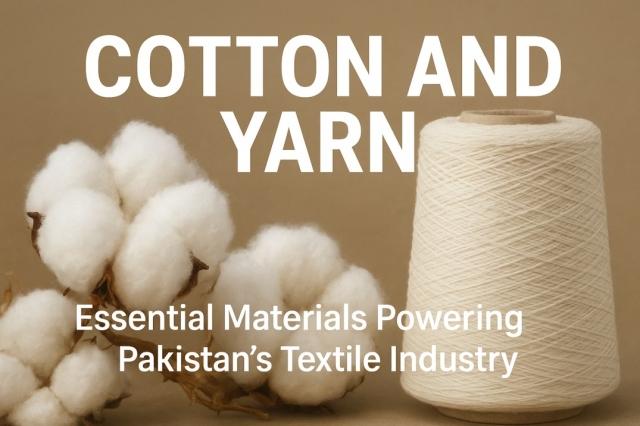
Cotton and yarn are the backbone of Pakistan's textile sector—an industry that not only supports the country's economy but also uplifts millions of farmers, mill workers, and exporters. From cultivation to finished products, cotton and yarn play a crucial role in sustaining one of the largest industries of the nation. As global demand for high-quality textiles continues to rise, Pakistan's cotton and yarn market has become more significant than ever.
In this article, we explore the importance, production stages, benefits, and challenges associated with cotton and yarn, along with how reliable platforms such as Zarea Limited support the industry.
The Importance of Cotton in Pakistan's Economy
Cotton is known as “white gold” in Pakistan due to its immense economic value. It contributes significantly to:
-
Agricultural GDP
-
Export earnings through textiles
-
Employment generation in rural areas
-
Supporting allied industries such as ginning, spinning, and weaving
Pakistan is traditionally among the leading cotton-producing countries. This makes cotton a strategic input for the textile supply chain, feeding spinning mills that convert raw fibre into yarn.
From Cotton to Yarn: The Production Process
Producing high-quality yarn begins with high-quality cotton. The journey includes several important stages:
1. Cultivation
Farmers sow cotton seeds mainly in Punjab and Sindh. Proper irrigation, pest control, and climatic conditions determine the overall yield and fibre quality.
2. Harvesting
Once mature, cotton is harvested either manually or with machinery. Clean picking ensures fewer impurities, which helps improve yarn quality during the spinning process.
3. Ginning
This is where cotton lint is separated from seeds. Advanced ginning technology ensures minimal fibre damage. The cleaner the lint, the better the quality of yarn produced.
4. Spinning
Spinning mills convert cotton lint into various types of yarn. The process includes:
-
Carding
-
Combing
-
Ring Spinning
-
Compact Spinning
These methods define yarn strength, softness, and durability, making it suitable for different fabric types.
Why Yarn Is Essential for the Textile Sector
Yarn is the foundation of fabric creation. It is essential for:
-
Knitting
-
Weaving
-
Home textiles
-
Garments
-
Technical textile applications
Quality yarn directly impacts the quality of finished fabric. Strong, uniform yarn reduces breakage during weaving, improves fabric texture, and enhances dye absorption.
Pakistan produces various types of yarn, including:
-
Combed yarn
-
Carded yarn
-
Compact yarn
-
Open-end yarn
Each type serves different textile applications, from everyday clothing to luxury garments.
Market Demand and Global Export Potential
Pakistan's yarn exports have consistently remained in high demand in countries like China, Bangladesh, Turkey, and Vietnam. Key reasons include:
-
Competitive prices
-
Strong spinning infrastructure
-
Availability of skilled labor
-
Production of diverse yarn counts
With global fashion industries shifting toward natural fibres, cotton and cotton yarn continue to offer vast opportunities.
Challenges Faced by the Cotton and Yarn Sector
Despite its strength, the industry faces several challenges:
-
Climate change impacting crop yields
-
High production costs
-
Pest attacks like pink bollworm
-
Energy shortages affecting spinning mills
-
Fluctuating international demand
Ensuring access to consistent, reliable suppliers becomes essential for sustained business growth.
Zarea Limited: Your Trusted Source for Textile Raw Materials
Businesses in the textile and garment industry require dependable platforms to source high-quality materials. Zarea Limited plays a vital role by providing reliable access to textile-related commodities, including cotton, yarn, and other essential materials.
Zarea Limited ensures:
-
Competitive market prices
-
Verified suppliers
-
Smooth procurement process
-
Nationwide delivery support
By simplifying procurement, they help textile manufacturers and traders save time, reduce costs, and maintain consistent production quality.
Conclusion
Cotton and yarn are the lifelines of Pakistan's textile sector, powering one of the country's most valuable and productive industries. From farming communities to major export houses, the entire textile supply chain depends on the continuous availability of high-quality cotton and yarn.
With rising global demand and increasing focus on sustainability, Pakistan has the potential to further strengthen its position in the international textile market. Reliable platforms such as Zarea Limited ensure that manufacturers, traders, and businesses get uninterrupted access to quality materials, contributing to the growth and modernization of the industry.