

Grains and Pulses in B2B Trade: A Growing Commodity for Global Buyers | Zarea Limited
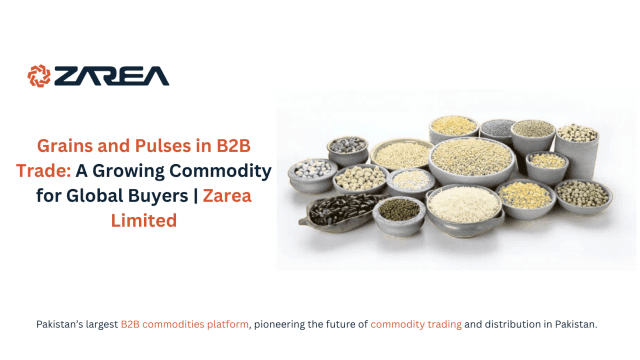
In the rapidly evolving landscape of international trade, grains and pulses have emerged as a cornerstone of food security and global commerce. From wheat and rice to lentils and chickpeas, these staples are no longer confined to domestic kitchens; they are now driving major B2B transactions across continents. With rising demand in both developing and developed nations, grains and pulses are being recognized for their nutritional value, economic potential, and sustainability.
In this article, we delve into the growing significance of grains and pulses in B2B trade, explore global market trends, examine key exporting and importing regions, and highlight how platforms like Zarea Limited are facilitating efficient and reliable trade for businesses worldwide.
The Role of Grains and Pulses in Global Nutrition and Food Security
Grains and pulses form the foundation of diets across the globe. Pulses, which include lentils, beans, peas, and chickpeas, are particularly high in protein, fiber, and essential nutrients. Grains such as wheat, rice, maize, barley, and oats are staple foods in nearly every culture.
From a nutritional standpoint, pulses are essential in combating malnutrition, particularly in regions where meat is scarce or expensive. Grains provide essential carbohydrates and energy, ensuring that billions of people meet their daily dietary needs.
Their rising demand is not just due to population growth but also changing dietary preferences toward plant-based proteins and whole foods. This has significantly boosted their position in international trade.
Market Trends Driving B2B Trade in Grains and Pulses
Several key trends are influencing the global B2B trade landscape for grains and pulses:
1. Growing Health Consciousness
As consumers become more health-conscious, the demand for pulses has surged due to their low fat and high protein content. This shift is influencing food manufacturers and suppliers to secure long-term bulk sourcing contracts through B2B channels.
2. Sustainable Agriculture Practices
Pulses contribute to sustainable farming by improving soil health and reducing greenhouse gas emissions. This makes them attractive to countries and companies focusing on climate-smart agriculture.
3. Increased Investment in Agri-Tech
Technological innovations in storage, transportation, and digital marketplaces are streamlining the supply chain, making B2B trade more efficient and scalable. Digital B2B platforms such as Zarea Limited are helping traders and buyers connect, negotiate, and fulfill orders seamlessly.
4. Government Policies and Trade Agreements
Free trade agreements and export incentives are making it easier for businesses to explore international markets. In countries like Pakistan and India, governments are supporting grain and pulse exports through subsidies and infrastructure improvements.
Key Exporters and Importers in the Global Market
Top Exporters:
-
India: The largest producer and exporter of pulses.
-
Canada: A major supplier of lentils and peas.
-
Australia: Known for high-quality chickpeas and wheat.
-
Russia & Ukraine: Major players in wheat and barley trade.
-
United States: Exports large volumes of soybeans, maize, and pulses.
Top Importers:
-
Middle East Countries: High importers of pulses for food and feed.
-
Bangladesh & Sri Lanka: Depend heavily on pulse imports from neighboring countries.
-
European Union: Demand for organic and plant-based foods has increased imports.
-
China: A growing market for soybeans and specialty grains.
Pakistan's Emerging Role in Grain and Pulse Trade
Pakistan, with its diverse agro-climatic zones and strong agricultural base, is becoming a notable exporter of rice, wheat, chickpeas, and lentils. The government's focus on increasing agricultural productivity, along with private sector initiatives, is fostering a robust export market.
B2B platforms in Pakistan are helping bridge the gap between farmers, suppliers, and international buyers. With proper certifications, storage systems, and export logistics, Pakistan is well-positioned to meet global demand.
Challenges in the B2B Trade of Grains and Pulses
Despite the immense potential, several challenges remain:
-
Price Volatility: Fluctuations in global prices due to climate, war, and currency changes.
-
Quality Assurance: Consistency and certification of grains and pulses remain an issue.
-
Logistical Barriers: Inadequate infrastructure in some regions hampers smooth trade.
-
Regulatory Hurdles: Complex documentation and food safety regulations across borders.
The Digital Shift: How Platforms Like Zarea Are Reshaping Trade
With the rise of e-commerce and B2B marketplaces, the trading of agricultural commodities has taken a digital turn. Online platforms now allow buyers and sellers to connect without the limitations of traditional supply chains.
Zarea Limited has emerged as a reliable platform that enables businesses to buy and sell construction and agricultural commodities—including grains and pulses—with transparency and trust. Their digital ecosystem includes product listings, pricing tools, logistics integration, and real-time support, ensuring smooth transactions from sourcing to delivery.
By streamlining procurement processes and offering real-time updates, Zarea is helping small and medium-sized businesses compete on a global scale.
Future Outlook for Grains and Pulses in B2B Markets
The future of grains and pulses in B2B trade is promising. With increasing demand for sustainable food, plant-based diets, and reliable supply chains, this segment is expected to grow exponentially.
Key projections include:
-
Global pulse market expected to reach USD 100 billion by 2030.
-
Rise in contract farming to meet B2B demands.
-
Increased emphasis on traceability and sustainability.
-
Broader digital adoption in agriculture trade.
As the market expands, innovation, partnerships, and policy support will be essential in unlocking the full potential of grains and pulses in the B2B sector.
Conclusion
Grains and pulses are no longer just food staples—they are a vital part of the global B2B trade network. As demand continues to rise, businesses that adapt to digital platforms and emphasize sustainability will have a competitive edge.
Companies like Zarea Limited are setting new benchmarks by combining technology, trust, and transparency to facilitate efficient trade. By doing so, they are not only helping local producers connect with global buyers but also contributing to a more sustainable and secure food system.
For exporters, importers, and suppliers alike, now is the time to tap into the growing opportunity that grains and pulses offer in the world of B2B commerce.