

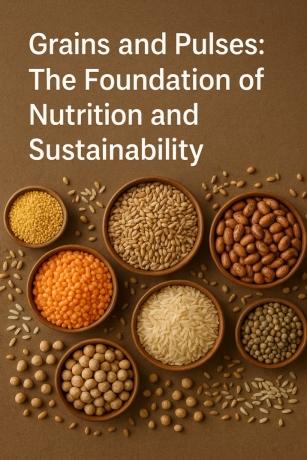
Grains and pulses represent two of the most important food groups in human history. From ancient civilizations that thrived on wheat, rice, and barley to the widespread cultivation of lentils, beans, and chickpeas, these crops have shaped diets, economies, and cultures for thousands of years. Today, they remain vital not only for human nutrition but also for agricultural sustainability and global food security.
Understanding Grains and Pulses
Grains, also known as cereals, are the edible seeds of grass plants. Common examples include wheat, rice, maize (corn), barley, oats, and millet. They are a major source of carbohydrates and provide essential nutrients such as fibre, iron, and B vitamins. In most parts of the world, grains are the primary source of daily calories.
Pulses, on the other hand, are a subgroup of legumes that include dried seeds like lentils, beans, chickpeas, and peas. They differ from other legumes (like soybeans and peanuts) because they are harvested dry. Pulses are rich in protein, fibre, and micronutrients such as iron, zinc, and folate, making them a powerful plant-based protein source.
For more detailed definitions and examples, visit the Food and Agriculture Organization (FAO).
Nutritional Importance
Both grains and pulses play complementary roles in human nutrition.
Grains primarily supply energy through carbohydrates. Whole grains—those that retain the bran, germ, and endosperm—also provide dietary fibre, antioxidants, and B-group vitamins. They support healthy digestion, stabilize blood sugar levels, and are linked to lower risks of heart disease and type 2 diabetes.
Pulses, by contrast, are much higher in protein and fibre and have a low glycaemic index. This means they help maintain steady blood sugar levels and promote satiety, reducing overeating. They also contain no cholesterol and very little fat, making them ideal for maintaining heart health.
Interestingly, the amino acids in grains and pulses complement each other. Grains are low in lysine but rich in methionine, while pulses have the opposite balance. When eaten together—such as rice with lentils or bread with hummus—they form a complete protein source comparable to that found in animal products.
Health Benefits
A diet that includes both grains and pulses offers many health benefits:
-
Improved Heart Health: Regular consumption of whole grains and pulses can lower cholesterol levels, improve blood pressure, and reduce the risk of cardiovascular diseases.
-
Better Digestive Health: The high fibre content in both groups supports a healthy gut microbiome and helps prevent constipation.
-
Weight Management: The combination of fibre, protein, and complex carbohydrates keeps you full longer, helping with weight control.
-
Diabetes Prevention: Pulses' low glycaemic index helps regulate blood sugar levels, while whole grains prevent insulin spikes.
-
Enhanced Nutrient Intake: Together, they provide a range of nutrients including iron, zinc, magnesium, and folate.
These benefits make grains and pulses a cornerstone of a balanced, sustainable, and health-protective diet.
Grains and pulses form the backbone of diets worldwide, providing essential nutrients, energy, and protein for millions of people. From wheat, rice, and maize to lentils, chickpeas, and beans, these staples play a vital role in ensuring food security and promoting healthy living. In addition to their nutritional value, grains and pulses contribute significantly to sustainable agriculture by enriching soil fertility and reducing the need for synthetic fertilizers. For consumers and businesses seeking high-quality agricultural commodities, Zarea Limited offers a trusted platform that ensures the availability of premium Grains and Pulses at competitive prices, delivered efficiently across Pakistan.
Agricultural and Environmental Value
Beyond nutrition, grains and pulses play a critical role in sustainable farming.
Pulses are unique in their ability to fix atmospheric nitrogen into the soil through symbiotic bacteria that live in their roots. This natural process enriches soil fertility and reduces the need for synthetic fertilizers. When pulses are grown in rotation with cereals, they improve soil structure, enhance yields, and reduce pest and disease pressure.
Grains, as staple crops, provide food security and economic stability for millions of farmers. However, the growing focus is shifting toward cultivating whole grains and more diverse species—such as millet and sorghum—that require less water and are more resilient to climate stress.
Together, grains and pulses contribute to sustainable agriculture by reducing environmental footprints, promoting biodiversity, and supporting resilient food systems.
Grains and Pulses in South Asian Diets
In South Asia, especially in countries like Pakistan and India, grains and pulses form the foundation of traditional diets. Wheat and rice are the dominant cereals, while lentils (masoor), chickpeas (chana), mung beans, and pigeon peas (arhar) are common pulses.
A classic South Asian meal—such as rice with daal (lentil curry) or chapati with chickpea stew—demonstrates the perfect nutritional pairing of these two food groups. Such meals are affordable, culturally rooted, and nutritionally balanced, providing the necessary proteins and carbohydrates for daily energy and growth.
Given the increasing rates of lifestyle diseases like diabetes and obesity, promoting whole grains and pulses can help improve public health outcomes across the region.
Practical Ways to Add Grains and Pulses to Your Diet
-
Choose Whole Grains: Replace refined white rice or flour with brown rice, whole wheat, millet, or barley.
-
Eat Pulses Regularly: Include lentils, chickpeas, or beans in your meals at least three times a week.
-
Combine for Better Nutrition: Pair grains and pulses in dishes like rice and beans, barley soup with lentils, or whole-wheat bread with hummus.
-
Soak and Cook Properly: Soaking pulses before cooking improves digestibility and reduces compounds that can interfere with nutrient absorption.
-
Experiment with Recipes: Try making pulse-based soups, salads, and snacks like roasted chickpeas or lentil patties.
-
Limit Processed Foods: Whole grains and natural pulses are always more nutritious than refined or heavily processed products.
You can explore more dietary recommendations and recipes on the Grains & Legumes Nutrition Council website.
Challenges and Future Outlook
Despite their immense benefits, global consumption of pulses and whole grains remains below recommended levels. Modern diets often favor refined grains and processed foods, leading to nutrient deficiencies and rising chronic diseases.
In agriculture, pulses sometimes receive less policy attention than cereals, even though they require less water and improve soil health. Encouraging their cultivation can help small farmers reduce costs and adapt to climate change.
Promoting awareness, improving accessibility, and supporting farmers to grow diverse grain and pulse varieties are key steps toward healthier people and a healthier planet.
Conclusion
Grains and pulses are more than just everyday foods—they are essential to human nutrition, sustainable agriculture, and food security. Grains provide energy and nutrients; pulses contribute plant-based protein, fibre, and minerals. Together, they form a balanced, affordable, and sustainable foundation for a healthy diet.
As the world faces growing health and environmental challenges, increasing the consumption and production of whole grains and pulses offers a simple yet powerful solution. Whether it's a bowl of rice and lentils or a slice of whole-grain bread with hummus, every meal built on these staples supports both human and planetary well-being.