

Smart Fertilizer Use in Pakistan: Boosting Yields and Preserving Soil | Zarea
Agriculture remains the backbone of Pakistan's economy, providing livelihoods for millions and ensuring food security for the nation. One of the most vital elements in modern agriculture is the use of fertilizers. These essential inputs not only enhance soil fertility but also help increase crop yields, ensuring that farmers get better productivity from their land.
In this context, the proper selection and application of fertilizers play a key role in sustainable farming. Today, with platforms like Zarea Limited, farmers can conveniently access a wide range of fertilizers at competitive prices with guaranteed quality.
1. The Importance of Fertilizers in Modern Agriculture
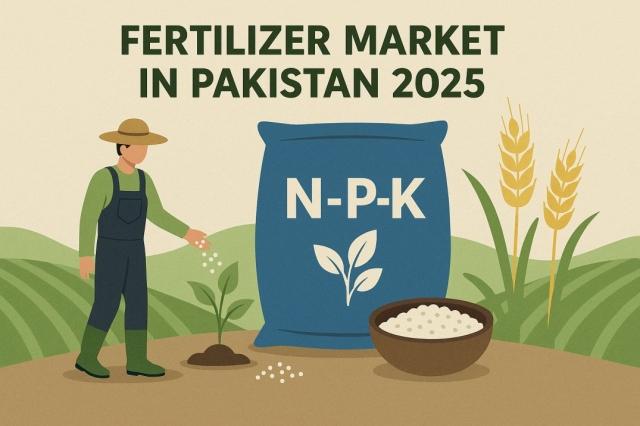
Fertilizers supply essential nutrients to crops, including nitrogen (N), phosphorus (P), and potassium (K), collectively known as NPK. These nutrients are crucial for plant growth, root development, flowering, and fruiting. Without the right balance of these elements, crops can suffer from poor growth, low yield, and nutrient deficiency.
In Pakistan, the use of fertilizers has significantly contributed to improving agricultural productivity. Fertilizers not only increase yield but also ensure consistent quality and uniformity in crops such as wheat, rice, maize, sugarcane, and cotton. However, the key lies in using the right type and quantity of fertilizer based on soil needs and crop requirements.
2. Types of Fertilizers Commonly Used in Pakistan
Farmers in Pakistan use a wide variety of fertilizers depending on their soil conditions and crop requirements. Some of the most commonly used types include:
-
Nitrogenous Fertilizers – These are rich in nitrogen, a key nutrient for leafy growth. Urea is the most commonly used nitrogen fertilizer in Pakistan, providing 46% nitrogen content.
-
Phosphatic Fertilizers – These supply phosphorus, which is essential for root development and flowering. Diammonium Phosphate (DAP) and Single Super Phosphate (SSP) are widely used phosphatic fertilizers.
-
Potassic Fertilizers – These contain potassium, which helps strengthen plant stems, improve water retention, and increase resistance to diseases. Common examples include Muriate of Potash (MOP) and Sulphate of Potash (SOP).
-
Compound or NPK Fertilizers – These fertilizers provide a balanced mix of nitrogen, phosphorus, and potassium. They are ideal for farmers looking for comprehensive crop nutrition.
-
Organic and Bio-Fertilizers – These are becoming increasingly popular as they improve soil structure, promote microbial activity, and reduce dependency on chemical fertilizers.
Using a combination of these fertilizers can significantly enhance productivity and maintain long-term soil fertility.
3. The Fertilizer Market in Pakistan
Pakistan's fertilizer industry is one of the most stable sectors in the country, with steady demand throughout the year. The major crops, including wheat and rice, rely heavily on urea and DAP fertilizers. The private sector dominates the market, and demand is expected to grow as the population increases and food needs expand.
However, challenges such as rising prices, distribution gaps, and inconsistent soil testing practices often affect farmers' access to fertilizers. This is where digital platforms like Zarea Limited play an essential role. Zarea offers an online marketplace where farmers, dealers, and businesses can buy quality fertilizers conveniently with transparent pricing and verified suppliers.
4. Choosing the Right Fertilizer for Your Crops
Selecting the right fertilizer requires an understanding of your soil's nutrient composition and the specific needs of your crops. Here are some essential steps for farmers:
a. Conduct Soil Testing
Soil testing is the first step in determining nutrient deficiencies. Many soils in Pakistan lack sufficient phosphorus and potassium, which can limit yield even if nitrogen is available.
b. Identify Crop Requirements
Different crops need different nutrients at various growth stages. For example:
-
Wheat and maize require nitrogen for vegetative growth.
-
Rice benefits from phosphorus during root development.
-
Fruits and vegetables require balanced NPK fertilizers for quality production.
c. Apply Fertilizers at the Right Time
Timing is crucial. Nitrogen should be applied in split doses during different crop stages, while phosphorus and potassium are best applied at sowing time to strengthen roots.
d. Use Quality Fertilizers
Always buy from trusted suppliers to avoid counterfeit or substandard products. Using low-quality fertilizers can damage crops and soil. Reliable platforms like Zarea Limited ensure product authenticity and competitive prices.
5. Best Practices for Efficient Fertilizer Use
Efficient fertilizer use doesn't just mean applying more — it means applying smartly. Here are a few key practices:
-
Follow Recommended Dosages: Overuse of fertilizers can lead to nutrient imbalance and soil degradation.
-
Combine Organic and Inorganic Fertilizers: Organic matter enhances soil structure and helps retain nutrients longer.
-
Adopt Integrated Nutrient Management (INM): Combine chemical fertilizers with compost or green manure for sustainable productivity.
-
Monitor Crop Response: Observe how plants respond to fertilizer applications and adjust accordingly.
By following these practices, farmers can achieve optimal yields without harming the environment.
6. Benefits of Using the Right Fertilizer
The advantages of proper fertilizer use are extensive:
-
Higher Yields: Balanced nutrition results in better plant growth and higher production.
-
Improved Quality: Fertilizers improve grain size, fruit color, and overall crop quality.
-
Cost Efficiency: Using the correct fertilizers reduces wastage and unnecessary expenses.
-
Sustainable Farming: Balanced fertilizer use ensures long-term soil fertility and ecological balance.
Fertilizers are not just a short-term productivity tool but an essential element in building a sustainable agricultural system.
7. Challenges Faced by Farmers
Despite the benefits, farmers in Pakistan face several challenges related to fertilizers:
-
High Costs: Global fluctuations in raw material prices affect local fertilizer rates.
-
Limited Awareness: Many farmers lack knowledge about correct fertilizer application techniques.
-
Soil Degradation: Overuse of nitrogen-based fertilizers can harm soil structure and reduce fertility.
-
Availability Issues: Supply shortages during peak seasons can affect timely application.
To overcome these challenges, awareness campaigns, training programs, and digital supply chains are essential. Platforms like Zarea Limited provide farmers with an easy and reliable solution to purchase fertilizers online, reducing middlemen and ensuring timely availability.
8. The Role of Zarea Limited in the Fertilizer Industry
Zarea Limited has emerged as one of Pakistan's leading online platforms for building materials and agricultural inputs. By providing a dedicated section for fertilizers, the company has simplified the purchasing process for farmers and agri-businesses alike.
Through Zarea, customers can access detailed product descriptions, prices, and packaging options. The platform ensures quality assurance, verified brands, and competitive rates — making it easier for buyers to make informed decisions.
Zarea Limited not only supports farmers in getting the best products but also helps streamline the agricultural supply chain in Pakistan by connecting manufacturers directly with end-users.
9. Conclusion
Fertilizers are indispensable in modern agriculture, playing a central role in enhancing yield, quality, and soil health. Pakistan's growing population and increasing food demand make it crucial to adopt smart fertilizer practices and rely on trusted suppliers.
By using the right fertilizers, in the right amounts, and at the right times, farmers can ensure long-term soil fertility and sustainable productivity. Platforms like Zarea Limited provide a modern solution for easy access to high-quality fertilizers at competitive prices.
Smart fertilizer management — supported by reliable platforms like Zarea — is the key to a prosperous and sustainable future for Pakistan's agriculture.